

Now Reading: SpaceX Starship Test Launch 8: What Lies Ahead for SpaceX?
-
01
SpaceX Starship Test Launch 8: What Lies Ahead for SpaceX?


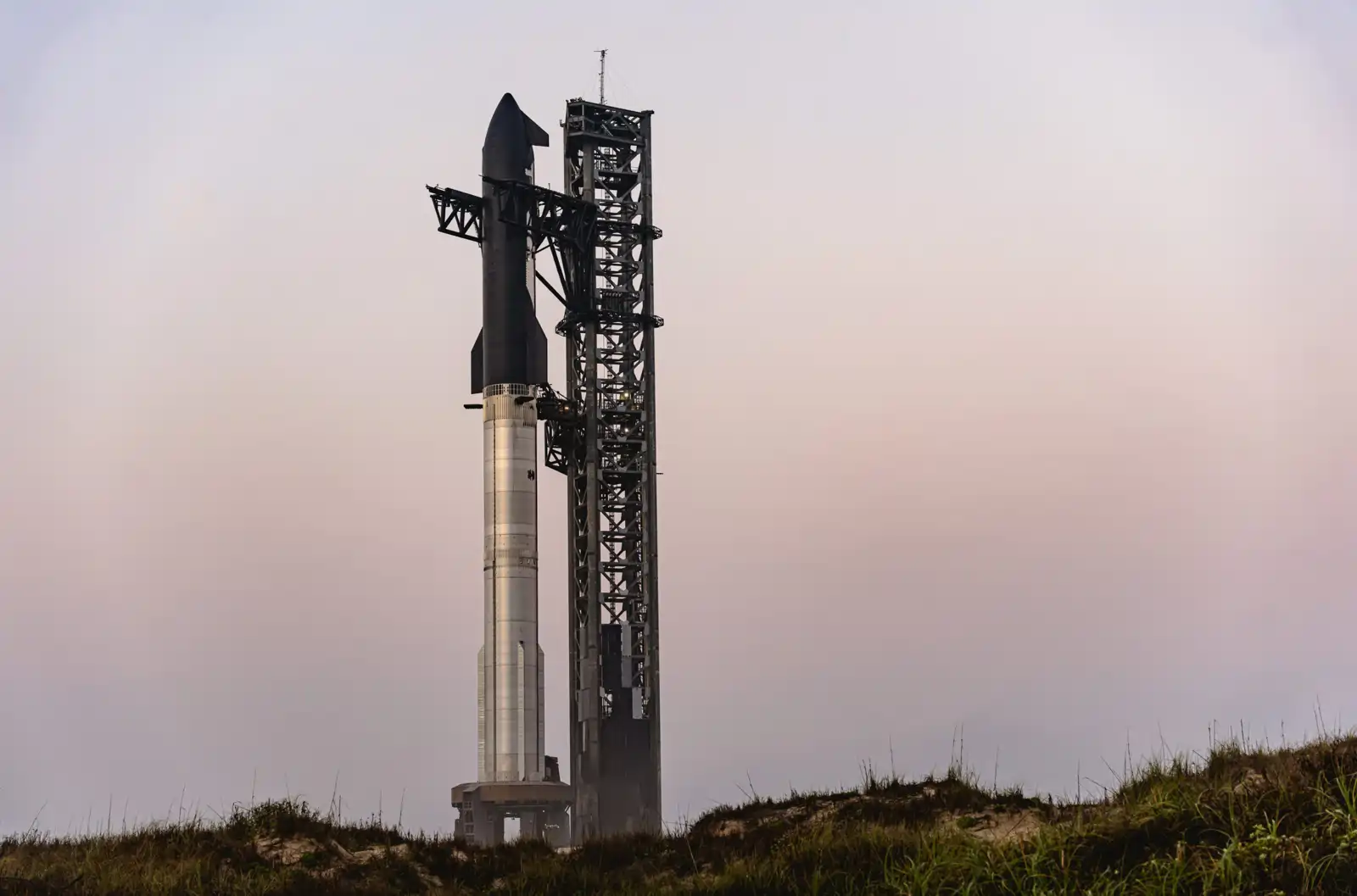
Watch SpaceX Starship Launch 8 mark a major milestone in space exploration. Discover how this historic mission is shaping the future of interplanetary travel.
Introduction
The launch of SpaceX Starship 8 marks a major step toward making space travel more routine and less expensive. This ambitious project aims to change how humans explore and live in space. With innovations speeding ahead, everyone in aerospace is watching closely.
Elon Musk’s goal of colonizing Mars and opening space to private companies depends on moments like this. Every new launch brings us closer to a future where space isn’t just for scientists and governments but for everyone.
Background and Development of SpaceX Starship
Origins of the Starship Program
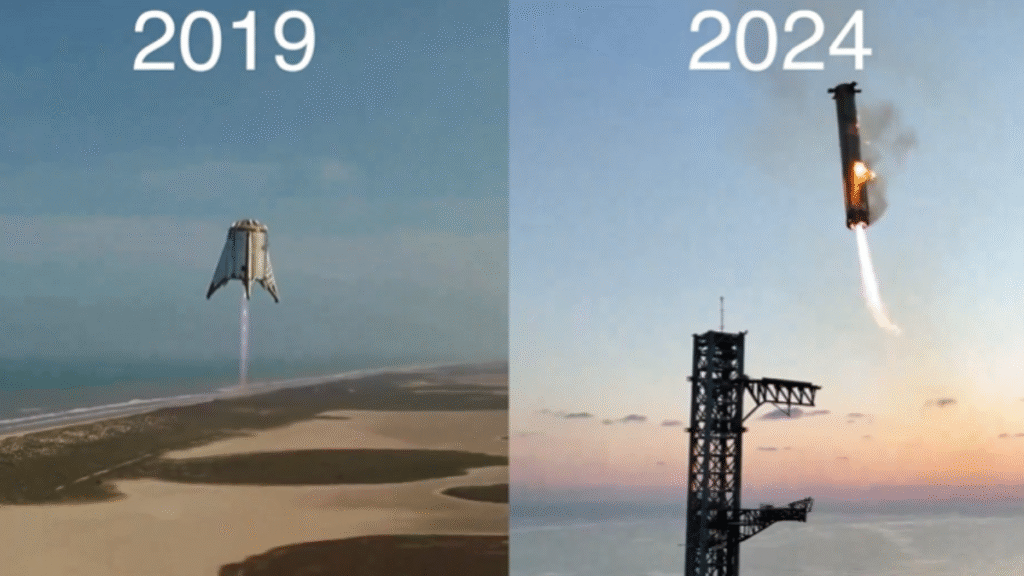
SpaceX started designing Starship in 2012, inspired by Musk’s dream of reaching other planets. The goal was to build a spaceship that could carry large crews and cargo across long distances.
Early prototypes were small and test models, which helped SpaceX learn what works and what doesn’t. As the program grew, the focus was on creating a rocket that could do everything: land on planets, return home, and do it again with minimal cost.
Technological Innovations
Starship stands out because of its cutting-edge design. It uses stainless steel, a material that’s strong, resistant to heat, and cheaper than traditional options. The rocket is powered by Raptor engines, which are among the most powerful and efficient in the world.
Most rockets are built to be used once, but Starship is designed to be reused many times. This focus on reusability helps bring space travel costs down and allows for more frequent launches.
Past Milestones
Before Launch 8, SpaceX completed a series of tests and launches. The earlier prototypes, like SN1, SN2, and SN3, served as learning tools. Some tests ended with successful landings, while others revealed weaknesses. Each failure helped engineers improve the design.
Previous launches set the stage, so the team is now ready for this big event, knowing what to expect and how to handle potential problems.
Details of SpaceX Starship Launch 8
Launch Objectives and Goals
This launch aims to test new systems, check the rocket’s performance, and verify safety features. While some missions are designed to carry satellites or equipment, others aim to test crewed travel skills.
SpaceX also plans to use this launch to gather data that will push forward Musk’s broader goal of sending humans to Mars. It’s a step toward making interplanetary travel a reality, rather than just a dream.
Technical Specifications
Starship is enormous. It measures about 394 feet tall, nearly as tall as a 40-story building. Its payload capacity can carry over 100 tons — enough to send equipment and even people to the Moon or Mars. The rocket’s main engines, Raptor 2s, generate thousands of pounds of thrust.
Ground support includes massive launch pads, fueling stations, and tracking stations to monitor every second of the launch.
Timeline and Process
Preparations for Launch 8 began weeks before the actual event. Engineers performed system checks, fueled the rocket, and ran safety tests. The launch window was carefully planned, considering weather and technical conditions.
Once the countdown hits zero, the engines ignite, and the rocket blasts off. The entire process takes around 10 to 15 minutes, ending with the rocket safely landing back on Earth or completing its test mission.
Significance of the Launch for Space Exploration
Advancements in Rocket Reusability
Starship’s ability to land and take off repeatedly slashes costs compared to traditional rockets that burn up after one flight. This makes space missions more frequent and sustainable.
Instead of wasting expensive hardware, companies can reuse the same rocket multiple times. Reusability is revolutionizing how we think about space travel, just like airplanes changed flying on Earth.
SpaceX StarshipImpact on Commercial Space Travel
Spaceship launches open the door for space tourism and private missions. People could someday go on trips around the Moon or Mars as easily as taking a flight. SpaceX’s collaborations with NASA and other private firms are key to turning space travel into a commercial industry — no longer just a government project. This changes the game, inviting more businesses to join and invest.
Paving the Way for Mars Missions
Every successful launch brings humans closer to landing on Mars. Starship is designed to carry equipment, supplies, and eventually people, making the Red Planet reachable. SpaceX sees this as the first step in building a self-sustaining colony, creating new opportunities for science and, possibly, a new home for humanity.
Challenges and Risks Associated with Launch 8
Technical and Engineering Challenges
Creating a rocket as powerful and reusable as Starship isn’t easy. Managing hundreds of complex systems can lead to glitches and setbacks. Past test failures remind us that technology still has hurdles to clear. Engineers work hard to fix issues, but a single mistake can delay or jeopardize a launch.
Regulatory and Safety Concerns
Getting approval from space agencies like the FAA is a must for launch safety. They closely scrutinize technical plans and safety procedures. If a crewed mission is involved, safety rules tighten further. Only with thorough planning and testing can the risk of accidents be minimized.
Environmental and Logistical Risks
Launching rockets impacts the environment — from fuel emissions to noise. SpaceX must comply with environmental rules and do thorough assessments. The logistics of fueling and preparing the launch site also pose challenges, especially when managing weather and technical difficulties.
Expert Opinions and Industry Impact
Industry Experts’ Perspectives
Leading aerospace scientists believe Starship could change space travel forever. Many say this launch shows how private firms are taking the lead. Experts from NASA and other organizations emphasize that innovations like Starship could set new industry standards for cost and performance. It’s a huge leap forward.
Implications for the Future of Space Launches
This launch could set the stage for future interplanetary missions. SpaceX’s advancements push traditional rockets aside and inspire other companies to innovate. The success of Starship might lead to more frequent, cheaper, and reliable space trips beyond Earth.
Actionable Tips for Enthusiasts and Stakeholders
- Follow live updates: SpaceX streams launches, so you can watch the event unfold in real time.
- Participate in online discussions: Join forums or social media groups to stay connected with space fans.
- Invest wisely: Space industry stocks can be promising, but research before investing.
- Get involved educationally: Pursue courses or careers in aerospace tech for those interested in helping build the future.
Conclusion
The launch of SpaceX Starship 8 is a milestone in space exploration history. This event shows just how far technology has come and hints at the endless possibilities ahead. From lowering costs to reaching Mars, this launch represents a new chapter.
SpaceX’s innovation isn’t just about rockets — it’s about opening new frontiers for humanity. As we watch this launch, we get a glimpse of a future filled with exploration, adventure, and discovery. Spaceflight is evolving fast, and Starship’s success will inspire generations to dream bigger.
Related Posts


Stay Informed With the Latest & Most Important News
Previous Post
Next Post











Advertisement



SpaceX Starship Launch 8: The Future of Space Exploration: […] SpaceX’s innovation isn’t just about rockets — it’s about opening new frontiers for humanity. As we watch this launch, we get a glimpse of a future filled with exploration, adventure, and discovery. Spaceflight is evolving fast, and Starship’s success will inspire generations to dream bigger. […]