

Now Reading: How Dogs Are Evolving with Us: Will We Ever Truly Talk to Our Pets?
-
01
How Dogs Are Evolving with Us: Will We Ever Truly Talk to Our Pets?


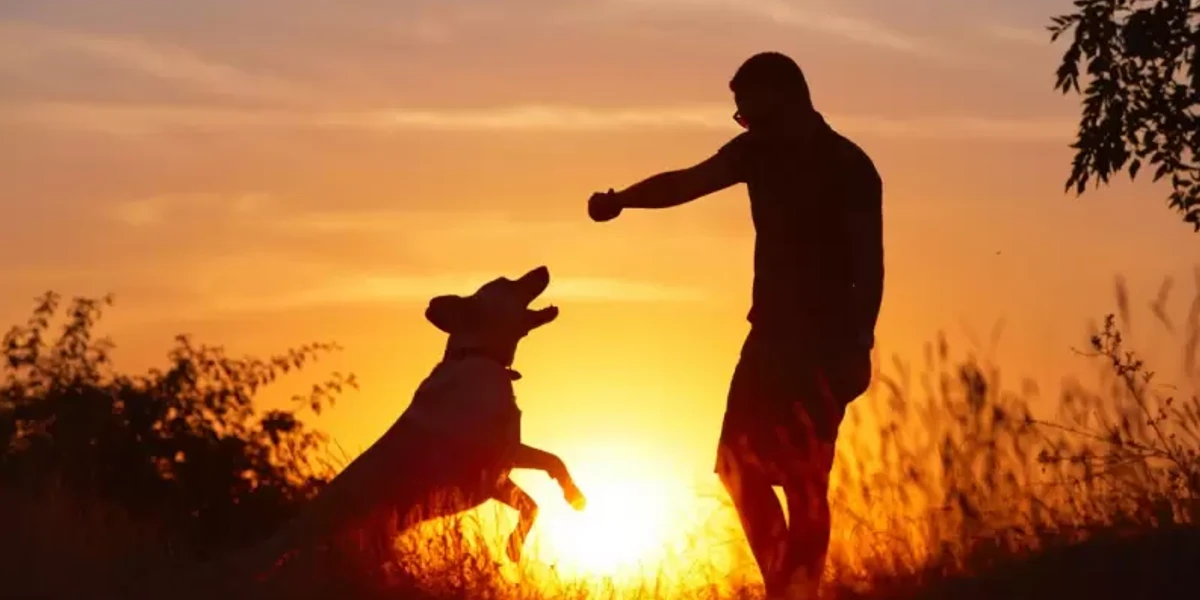
Dogs have evolved with us for thousands of years — but will we ever truly be able to ‘talk’ to them? Explore how selective breeding, science, and AI are shaping the future of dog-human communication.
Did you know your dog is the product of thousands of years of careful human choices? From fierce wolves to devoted family members who curl up at our feet, dogs have evolved right alongside us in a partnership like no other in the animal kingdom.
But as science and technology advance, an intriguing question emerges: Could we one day truly “talk” to our dogs?
In this post, we’ll explore how selective breeding has shaped the dogs we know today, the incredible ways dogs already “read” us, and whether the future might hold a real-life dog translator. Ready to look into the future of your furry best friend? Let’s dive in!
From Wolves to Best Friends: How Dogs Became Our Companions
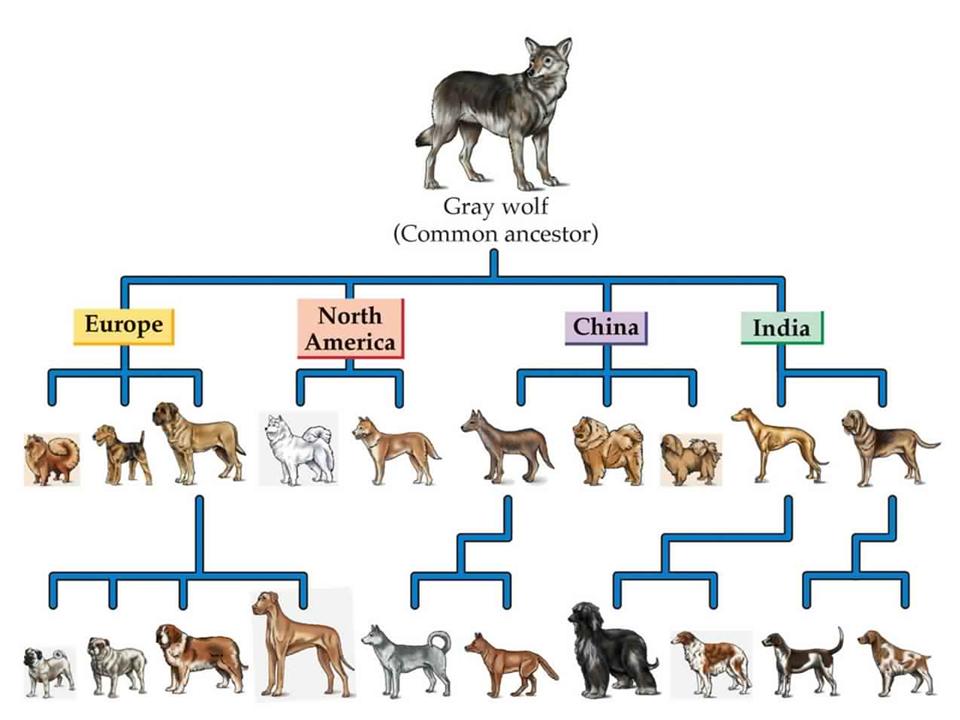
Long before dogs became the adorable breeds we adore today, they were wild wolves hovering near ancient human campsites. The theory goes that the friendlier wolves got leftovers — and gradually, the most tolerant, least aggressive wolves evolved into the first domesticated dogs.
Over thousands of years, humans didn’t just accept these early dogs as they were — they shaped them through selective breeding.
Dogs were bred for hunting, herding, guarding, companionship, and countless other tasks. That’s why today’s Chihuahuas and Great Danes are the same species — but look and act so differently!
Key takeaway: Every wagging tail and floppy ear is the result of generations of human choices.
Did Humans Breed Dogs to ‘Talk’ to Us? The Science Explained
When you look at your dog and feel like they know exactly how you’re feeling — you’re not wrong! Selective breeding didn’t just shape dogs physically; it also influenced how they communicate with us.
Herding breeds like Border Collies were bred to respond to subtle whistles and gestures.
Companion breeds were chosen for their ability to bond closely with humans, read facial expressions, and mirror our emotions
Research shows dogs can understand human words, tone of voice, and body language. Some gifted dogs, like Chaser the Border Collie, could learn over a thousand words! That’s no accident — it’s the result of centuries of co-evolution.
How Do Dogs Understand Humans?
So how exactly does your dog “get” you? Dogs rely on a mix of cues:
Voice: They’re great at picking up tone and pitch.
Body Language: They read our posture, gestures, and facial expressions.
Smell: Dogs detect emotional changes through scent — they can even sniff out stress or illness!
A 2020 study used MRI scans to show that dogs process human speech similarly to how we do. That’s an incredible sign of just how deep our connection runs.
Can AI and Gadgets Help Us Talk to Dogs?
It’s not just wishful thinking — new technology is pushing the limits of dog-human communication. You might have seen Bunny the Sheepadoodle on TikTok, who uses speech buttons to “talk” to her owner by pressing words like “outside” or “play.”
Companies are working on AI collars that translate barks into emotions or basic needs. While a true “dog translator” is still a way off, scientists believe breakthroughs in machine learning and animal cognition could help bridge the gap even more.
How Our Choices Today Shape Tomorrow’s Dogs
Our partnership with dogs keeps evolving. As more people value emotional support and companionship, breeders are focusing on temperaments that make dogs even more attuned to our needs. But there’s a balance: responsible breeding must also prioritize dogs’ health and well-being.
Future dogs may be even better at “talking” to us — not because they’ll speak English, but because we’ll keep shaping breeds for communication, empathy, and emotional intelligence.
How to Communicate Better with Your Dog Right Now
- While we wait for that sci-fi dog collar, you can strengthen your bond with your furry friend today:
- Use clear, consistent commands.
- Pay attention to their body language — wagging tail doesn’t always mean “happy”!
- Practice positive reinforcement.
- Spend time building trust through play and training.
Your dog is already doing their best to understand you — meet them halfway!
Final Thoughts
Dogs and humans have spent thousands of years evolving together, shaping each other’s lives in amazing ways. As we look ahead, one thing’s certain: our choices today will shape how we “talk” with our canine companions tomorrow.
So, what do you think? If you could ask your dog one question and get a real answer, what would it be? Share your stories and dreams in the comments below — we’d love to hear how your dog “talks” to you!
Stay Informed With the Latest & Most Important News
Previous Post
Next Post











Advertisement



SpaceX Starship Launch 8: The Future of Space Exploration: […] SpaceX’s innovation isn’t just about rockets — it’s about opening new frontiers for humanity. As we watch this launch, we get a glimpse of a future filled with exploration, adventure, and discovery. Spaceflight is evolving fast, and Starship’s success will inspire generations to dream bigger. […]