

Now Reading: Starship Test Flight 11. Is this the most promising to date?
-
01
Starship Test Flight 11. Is this the most promising to date?


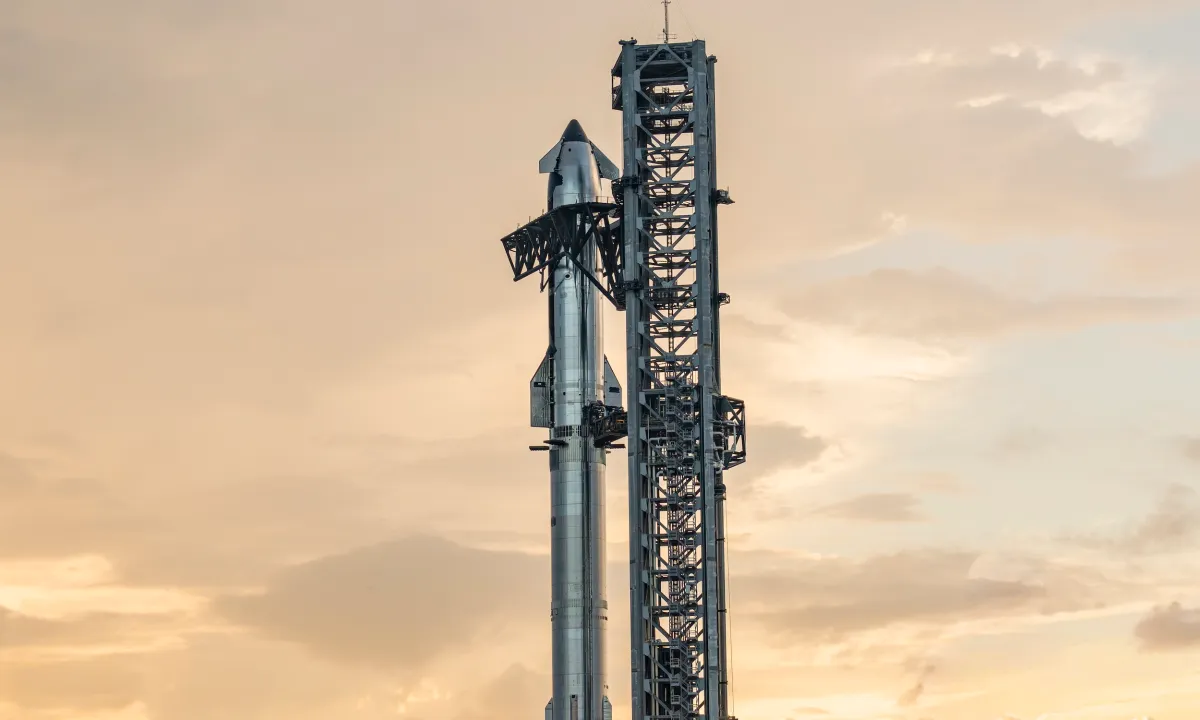
SpaceX prepares for another Starship test flight 11. Learn why this launch matters for NASA, the Moon, Mars, and the future of space travel.
SpaceX is once again preparing to launch Starship, this time it will be for the official Starship Test Flight 11, the massive stainless-steel spacecraft that Elon Musk believes will one day carry humans to Mars. And while the world has seen Starship take to the skies before, this upcoming test flight feels different.
It’s not just another launch—it’s another big step toward a future where traveling beyond Earth might become as routine as flying overseas.
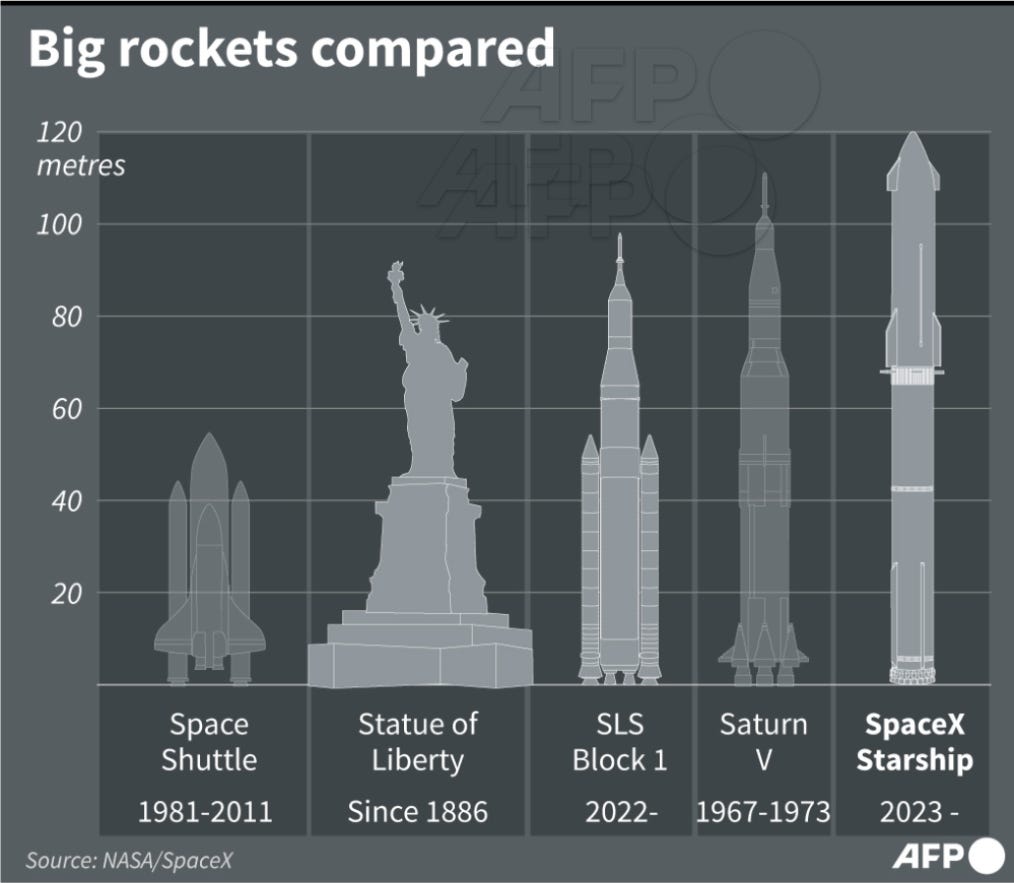
Standing at nearly 400 feet tall, Starship is the largest and most powerful rocket ever built. To give you some scale, it’s taller than the Statue of Liberty and generates more thrust than the Saturn V rocket from the Apollo era. But Starship isn’t just big—it’s meant to be fully reusable, which could dramatically lower the cost of space travel and make ambitious missions to the Moon and Mars more realistic.
Now, as 2025 nears its end, SpaceX is preparing for the vehicle’s fifth flight of the year. And this time, expectations are high.
A Rocky Start to 2025 – Followed by a Breakthrough
SpaceX has been relentlessly testing Starship since its first full-scale launch attempt in April 2023. Early flights were explosive—literally. SpaceX’s philosophy has always been “test, fail, learn, repeat.” And Starship has provided plenty of lessons along the way.
The first three test flights of 2025 didn’t quite match the success of SpaceX’s progress in 2024. There were issues with stage separation, heat tiles, reentry, and communications. But then—everything changed.
A little under two months ago, Starship completed its most successful uncrewed test mission to date. It launched cleanly from Starbase in Boca Chica, Texas, achieved its test objectives, and returned crucial data. This was the 10th Starship flight ever, and it reignited global confidence in the program.
With that momentum behind them, SpaceX is preparing for another launch—one that could push Starship even closer to operational status.
Why This Next Starship Launch Really Matters
Why This Next Starship Launch Really Matters
SpaceX isn’t just launching rockets for fun (although Elon might say it is fun). Starship is central to some of the most ambitious space plans in history:
- SpaceX’s goal to build a self-sustaining city on Mars
- NASA’s Artemis program to return humans to the Moon
- The vision of making space travel affordable and routine
NASA has already signed a contract with SpaceX to use a modified version of Starship as the lunar lander for the Artemis missions. That means astronauts will ride NASA’s SLS rocket to lunar orbit—then transfer into Starship to land on the Moon.
For that to happen, Starship must prove it can launch reliably, survive reentry, refuel in orbit, and land safely. Every test flight brings NASA a little closer to trusting Starship with human lives.
So the upcoming flight isn’t just another spectacle. It’s a crucial validation step in the roadmap to the Moon and beyond.
What Makes Starship So Different?
Most rockets are single-use. They launch once, then break apart or burn up in the atmosphere. That’s like buying an airplane, flying it once, and throwing it away. It works—but it’s expensive.
Starship changes the rules.
Fully Reusable Design
Both the Super Heavy booster (the lower stage) and the Starship upper stage are designed to launch, land, and be used again—like an aircraft.
Insane Power
Super Heavy uses 33 Raptor engines, running on methane and liquid oxygen. This gives Starship more liftoff thrust than any rocket in history.
In-Orbit Refueling
Starship can refuel in space using other Starship tankers. This has never been done before—and it’s the key to reaching Mars.
Massive Payload Capacity
It can carry over 100 tons of cargo or dozens of people. Imagine launching entire bases, satellites, or habitats at once.
Stainless Steel Body
Instead of carbon fiber or aluminum, it uses tough (and shiny) stainless steel, which handles heat and stress better.
SpaceX vs. The World: The New Space Race
Although SpaceX is leading the charge, they’re not alone.
- NASA wants to return to the moon.
- Blue Origin (Jeff Bezos) is developing its New Glenn rocket and Blue Moon lander.
- China is planning its own lunar missions and aims to put people on the Moon by 2030.
- Europe, India, and private companies are quietly accelerating their space ambitions as well.
We are living in a new space race, but unlike the Cold War era, it’s not just about pride or politics. It’s about technology, resources, and the future of humanity.
And Starship? It’s currently the most advanced ticket to that future.
The Risks and Challenges (It’s Not All Smooth Sailing)
Let’s be real—Starship is not guaranteed to succeed. It faces some major challenges:
- Engineering complexity – Full reusability, orbital refueling, heat protection—these are insanely difficult.
- Regulatory pressure – Starbase is under scrutiny for environmental impact and safety concerns.
- Cost – Even with reusability, developing this tech isn’t cheap.
- Competition – If someone builds a simpler or safer system first, Starship could lose momentum.
But if there’s one thing SpaceX has proven… it’s that they move faster than anyone else. Remember when landing rockets vertically was “impossible”? Now SpaceX does it almost daily.
What Could Starship Make Possible?
Let’s dream a little.
- Moon bases where astronauts live and work long-term
- Missions to Mars with supplies, habitats, and eventually people
- Orbital tourism (imagine a hotel in space!)
- Point-to-point travel on Earth (New York to Tokyo in 1 hour)
- Launching giant telescopes to see deeper into the universe
- Saving Earth by moving heavy industries off-planet
Bold? Yes. Impossible? That’s what people said about reusable boosters… until SpaceX did it.
Looking Ahead: Will Starship Make History?
We’re at a turning point.
If Starship succeeds, it could redefine space travel forever. It could make Mars more than a dream. It could make the Moon part of our economy. It could inspire a new generation like Apollo once did.
If it fails… someone else will try. Because the idea is too powerful to ignore.
The upcoming launch is more than a rocket test. It’s a glimpse into the future—one where humanity becomes a multi-planet species. So as SpaceX counts down to launch, the world will be watching.
Not just to see if the rocket flies…
…but to see how far our ambition can take us.
Related Posts

Stay Informed With the Latest & Most Important News
Previous Post
Next Post










Advertisement



Pingback: SpaceX Starship Launch 8: The Future of Space Exploration