

Now Reading: New Study Reveals Simple Lifestyle Changes Linked to Longer Life
-
01
New Study Reveals Simple Lifestyle Changes Linked to Longer Life



New research shows small lifestyle changes—like more sleep, daily walks, and better diet—can extend your life by over 10 years. Here's how to start.
In the quest for longevity, it’s often the grand gestures we focus on—running marathons, strict diets, high-tech supplements. But emerging research suggests that small, sustainable lifestyle changes may be the real game changers in extending lifespan, improving health quality, and defying genetic predispositions.
What the Latest Studies Tell Us
Recent large-scale studies have revealed how modest changes in daily habits can yield significant longevity benefits:
- Tiny behaviour tweaks add up
A study from the University of Sydney analysed data of ~59,000 people over eight years. It found that combining small changes — sleeping just 15 minutes more per day, doing an extra ~1.6 minutes of moderate‐to‐vigorous exercise daily, and adding half a serving of vegetables — reduced risk of premature death by at least 10%. The University of Sydney - Physical activity yields huge returns
Research from Griffith University using accelerometry (motion tracking devices) suggests that people over age 40 could add up to 5 years to their lives if they became as active as the top 25% of the population. The estimates for less active people show big potential gains from increasing movement. ScienceDaily - Healthy lifestyle can offset “bad genes”
A major UK Biobank study (353,742 participants) found that even with high genetic risk, those who maintained healthy habits (never smoking, staying active, sleeping enough, eating well) could offset genetic risk by ~60%. They might gain ~5 extra years of life expectancy compared to those with the same genetic risk but unhealthy lifestyles. The Guardian - Adopt just four simple behaviours, gain over a decade
In the EPIC study (European Prospective Investigation into Cancer & Nutrition), individuals who did all four of these: didn’t smoke, got regular exercise, limited alcohol use, and ate 5 portions of fruit/vegetables daily — lived on average 14 years longer vs those who did none of those. CORDIS - The eight “golden habits”
Another study of U.S. veterans found that adopting eight healthy habits by middle age could add ~23‑24 years to life expectancy. These include behaviors like good sleep hygiene, avoiding harmful substances, staying active, and maintaining social connections. Medical News Today
Why Small Changes Matter More Than Drastic Ones
- Sustainability: Tiny changes are easier to maintain over time. Habits like slightly more sleep or walking a bit faster don’t feel overwhelming, so people tend to stick with them.
- Synergy: When small improvements in several areas (diet, exercise, sleep) happen together, the combined effect is greater than the sum of individual changes. The University of Sydney+1
- Accessible for more people: These changes don’t require expensive equipment, memberships, or extreme deprivation. They’re realistic for many people.
- Offsetting non‑modifiable risks: Even if you can’t change your genes, you can influence lifestyle. Studies show lifestyle can offset genetic risks significantly. The Guardian
Practical Lifestyle Changes You Can Start Today
Here are actionable tweaks based on what the research suggests:
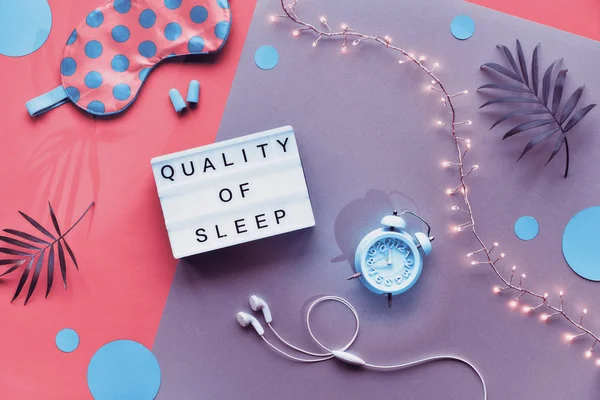
- Sleep slightly more
Try adding 10‑30 minutes of sleep per night. Prioritize consistency in bed & wake times. Even small increases in sleep are linked to better outcomes. - Move more, even lightly
- Walk briskly for 10‑15 minutes daily.
- Increase daily steps, even moderate‑paced.
- Do short bouts of physical activity if you’re busy (e.g. 5 minutes here and there).
- Include more vegetables in your meals
One more fruit or vegetable serving per day makes a measurable difference. Try putting veggies in breakfast or adding a side salad. - Avoid smoking and limit alcohol
If you smoke, quitting is one of the single biggest things you can do. Moderate alcohol consumption or cutting back can also have big impacts. - Keep a healthy body weight
Maintain a BMI in a healthy range, avoiding obesity. This protects against many chronic diseases. Regular, manageable exercise and whole‑food diets help. - Sleep quality and rest
Not just duration matter, but sleep quality. Ensure good sleep hygiene: dark room, limit screen time before bed, calm evenings, etc. - Create routines & small goals
Don’t try to overhaul everything at once. Pick one or two habits, make them stick, then layer in others. Habit stacking (adding new behaviours onto existing routines) works well. - Check your health markers
Monitor blood pressure, cholesterol, glucose levels. Early detection of anomalies allows for earlier interventions.
Real-Life Impact: What You Might Gain
Here’s what adopting these changes could look like in real life:
- People who adopted four healthy behaviours (no smoking, exercise, good diet, moderate alcohol) showed an average of 14 extra years in life expectancy. CORDIS
- Those committing to the eight habits by mid-life could live more than 20 years longer than peers who adopt none. Medical News Today
- Even an hour’s walk for the least active can add meaningful life years when done regularly. ScienceDaily
Caveats & Things to Watch Out For
- These studies are mostly observational. They show correlations, which are strong, but not always definitive proof of cause.
- Individual results will vary based on genetics, environment, access to healthcare, socioeconomic status etc.
- Changing habits takes time, consistency, and sometimes support (e.g. from healthcare providers, family, or community).
Conclusion
If there’s a message worth holding onto, it’s this: you don’t have to make massive changes to make a big difference in your health span and lifespan. Small, simple, consistent behaviour shifts — getting a little more sleep, moving a bit more, eating more veggies, saying no to smoking — can collectively add years to your life.
So, instead of chasing extreme solutions, start with what feels manageable. Pick one habit, make it stick, then build from there. Over time, these small steps can lead to extra years of healthy living—more time doing what you love with people you care about.
Related Posts

Stay Informed With the Latest & Most Important News
Previous Post
Next Post










Advertisement